
Companies today face all sorts of disruptions, but the most complex among them comes from technology assets. Even if you were clear about your organization’s systems and platforms just a few years ago, chances are that everything has changed since then. Recognizing this, Atlantic BT steps in as a leading technology consultant, offering a suite of services to help organizations navigate the ever-changing technological landscape.
You may find that you’re spending more time keeping up with technology than you are on your core business functions, which will cause your business to suffer. Perhaps your workers are continually burned out because in addition to carrying out their core jobs, they are having to put out technology fires.
Successful companies adapt to new technology changes in order to maintain their market presence, increase their market share and keep up with the competition. If your organization is struggling to keep up with the ever changing technological landscape, it may be time to partner with a technology consultant.
What is a Technology Consultant?
Technology consultants are indispensable allies in today’s digital age. They guide businesses through the adoption of cutting-edge technologies, advising them on the use of modern tools. Possessing the right digital technology can propel a business to the forefront of innovation and significantly enhance revenue generation.
An experienced technology consultant will bring a robust understanding of technology, its workings, and its business applications. This expertise is rooted in extensive industry experience and an educational background in technology, enabling them to help businesses leverage technology effectively and efficiently.
Exploring Key Technologies for Business Growth
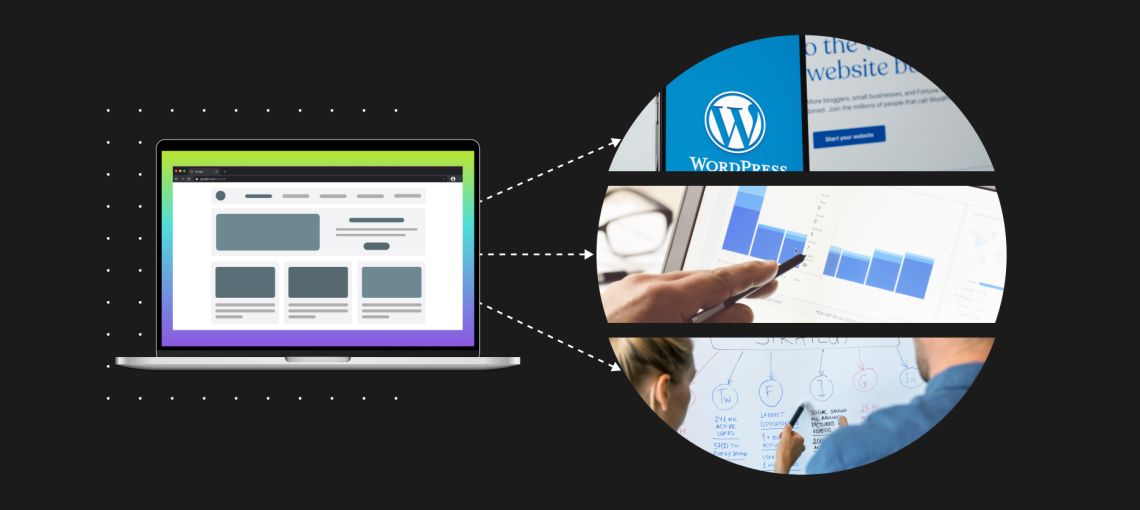
In the digital era, businesses are increasingly leveraging a variety of technologies to streamline operations, enhance customer experiences, and drive growth. These technologies, ranging from Content Management Systems and Customer Relationship Management systems, to data analytics tools and cybersecurity measures, serve as the backbone of modern businesses. They not only automate and simplify complex processes but also provide valuable insights, improve online visibility, and ensure the security of digital assets.
Here’s a closer look at some of these key technologies and how they benefit businesses:
- Content Management Systems (CMS) for managing and updating website content.
- Customer Relationship Management (CRM) systems for tracking customer interactions.
- Enterprise Resource Planning (ERP) systems for managing business processes.
- Data Analytics tools to derive insights from large volumes of data.
- Social Media Management tools for managing their online presence.
- Search Engine Optimization (SEO) tools for improving their website’s visibility on search engines.
- Cybersecurity measures to protect their digital assets.
- Cloud Computing services for scalable computing resources.
- E-commerce platforms for online sales.
Each of these technologies plays a crucial role in the digital transformation journey of a business, and having the right guidance can make all the difference.
What Does a Technology Consultant Do?
Technology advisory partners get to know your firm’s technology needs well, help you architect your technology strategy, and then use deep knowledge and experience to execute these strategies.
They can help you with your existing technology footprint or guide you in building new transformation initiatives. They exist to help you achieve your business objectives, reduce risks, make life easier for your employees, and keep your company safe from cyber threats. An experienced consultant can also help you with insights on industry best practices, recommend new technology adoption or technology upgrades and even help host and maintain your critical technology.
These partners – which are often managed services providers – already have relationships with companies that provide access to core and emerging technologies such as business process automation, HR management, and cloud-based operations. This can take the pressure off your own staff so they can focus on growing your business and meeting customer expectations.
“A managed service provider (MSP) delivers services, such as network, application, infrastructure and security, via ongoing and regular support and active administration on customers’ premises, in their MSP’s data center (hosting), or in a third-party data center.” – Gartner
When working with a managed service provider or technology consultant, businesses can expect comprehensive support across a multitude of areas:
- Custom Software Development: Technology consultants often aid in the creation of tailor-made software solutions, while also ensuring their maintenance, updates and security.
- Technology Infrastructure Updates: Consultants can assist in planning for infrastructure changes, forecasting costs, and conducting risk assessments.
- Repairs and Maintenance: They can cater to the support needs of the company’s IT tools, which includes software, hardware, network connections, and cybersecurity tools.
- Project Management: Some consultants assume a project management role, supervising development and implementation projects within the company.
- Cybersecurity: Technology companies who specialize in cybersecurity can advise businesses on the latest security measures and tools available in the industry.
About Atlantic BT
Atlantic BT is an award-winning managed service provider located in Raleigh, NC. We’ve been in business since 1998 and have served as a trusted technology consultant for enterprise businesses since our inception. Training Industry has been a client of ours for over a decade. Read more here about how our technology consulting services have helped their business to grow. For more information about working with Atlantic BT, visit our website, or call us at 919-518-0670, or send us a message to schedule some time to chat.