

Introduction to Cloud Managed Services
Unlock the Power of the Cloud
Cloud services have become the backbone of modern technology, enabling businesses and individuals to access computing resources over the internet. Instead of relying on physical hardware and local storage, cloud computing provides on-demand access to servers, storage, databases, and software, making it easier to scale, collaborate, and innovate. From everyday applications like email and file storage to advanced artificial intelligence and big data processing, cloud services offer flexibility, security, and cost-efficiency. From startup to enterprise, leveraging cloud managed services is key to staying competitive.
Let’s talk cloud
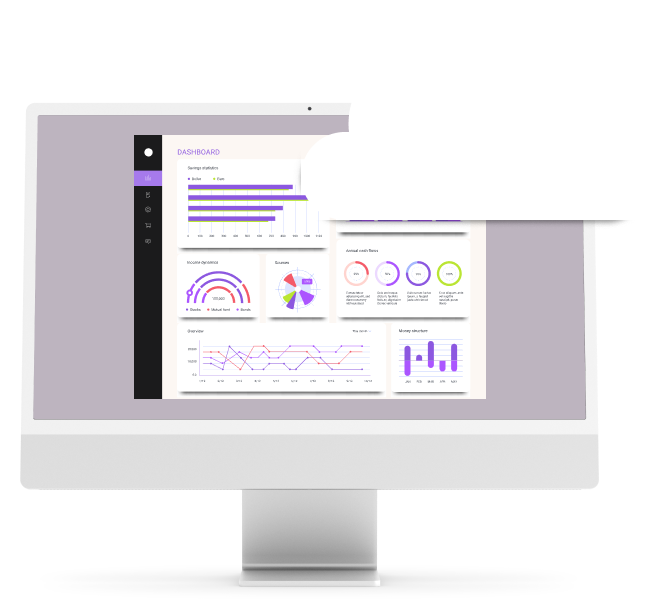
Why Choose Atlantic BT for Cloud Services?
Atlantic BT is a trusted partner for organizations seeking to optimize their cloud infrastructure, whether migrating to the cloud, modernizing applications, or ensuring top-tier security and compliance. Here’s why we should be your go-to cloud services provider:

Cloud Managed Services Insights
- Atlantic BT Achieves SOC 2 Type 2 Certification

- How to tell if my website is outdated?

- Unleashing the Power of Cloud with Atlantic BT’s Select Tier AWS Partnership

- From Chaos to Control: How a Technology Consultant Can Streamline Your Business’s Tech Assets

- What does it cost to build and host a web application in 2023?
- AWS Certified Cloud Practitioner Journey with AWS She Builds

Frequently Asked Questions
What are the three main cloud computing service models?
The three main cloud computing service models are Infrastructure as a Service (IaaS), Platform as a Service (PaaS), and Software as a Service (SaaS). IaaS provides virtualized computing resources like servers and storage. PaaS offers a platform for developers to build and deploy applications without managing infrastructure. SaaS delivers software applications over the internet, eliminating the need for local installations.
What are Amazon cloud services?
Amazon Web Services (AWS) is a comprehensive cloud platform offering a wide range of services, including computing (EC2), storage (S3), databases (RDS, DynamoDB), networking, AI/ML, security, and analytics. AWS provides scalable and on-demand cloud solutions for businesses, developers, and enterprises.
How do cloud services work?
Cloud services operate by delivering computing resources over the internet. Providers host infrastructure, platforms, and applications in data centers, allowing users to access and use these services remotely. Cloud computing enables scalability, cost savings, and flexibility, as users pay only for what they use without needing to maintain physical hardware.
What is cloud infrastructure as a service?
Infrastructure as a Service (IaaS) is a cloud model that provides virtualized computing resources like virtual machines, storage, and networking on demand. It allows businesses to run applications and workloads without investing in physical infrastructure, making it a cost-effective and scalable option for IT operations.
What are cloud computing services?
Cloud computing services include computing power, storage, networking, databases, machine learning, analytics, security, and more, delivered over the internet. These services fall into categories such as IaaS (e.g., AWS EC2), PaaS (e.g., Google App Engine), and SaaS (e.g., Microsoft 365), providing flexible and efficient solutions for businesses and individuals.
What are the risks of using a cloud service provider?
Risks of using cloud service providers include data security and privacy concerns, service outages, vendor lock-in, compliance challenges, and potential cost overruns. Businesses must assess providers for reliability, data protection policies, and legal compliance to mitigate these risks effectively.