

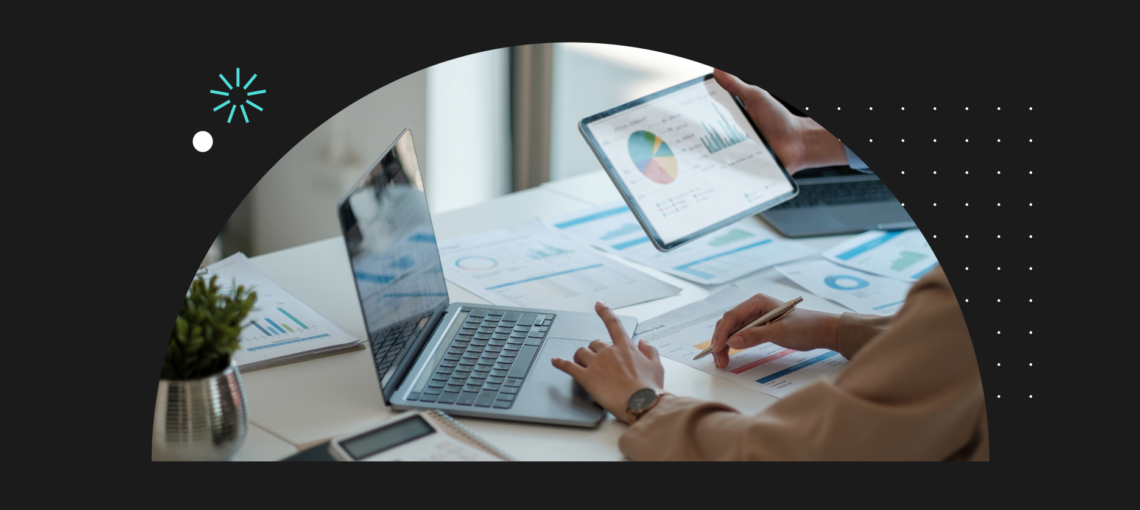

In a global economy that moves at the speed of a fiber-optic cable, “waiting for the data” is no longer an acceptable business hurdle. It is a liability.
Traditionally, business intelligence followed a monthly or quarterly cadence. Leaders would look at a report from thirty days ago to decide what to do tomorrow. But in today’s landscape, that’s like trying to drive a car while looking exclusively in the rearview mirror.
To stay competitive, organizations are shifting toward real-time reporting. Here is how moving from static data to live insights prevents costly delays and fuels growth.
Identifying Operational Bottlenecks with Real-time Reporting
When data is siloed or manual, a slowdown in the supply chain or a technical glitch on a checkout page might go unnoticed for days. By the time the “Monthly Operations Report” identifies the dip in efficiency, you’ve already lost thousands in potential revenue.
Real-time reporting acts as an early warning system. When live dashboards monitor your core processes, a 10% drop in warehouse throughput triggers an immediate alert, allowing managers to intervene before the delay impacts the customer experience.
Eliminating the “Decision Gap”
The “Decision Gap” is the time elapsed between a business event occurring and a leader taking action.
- Old Way: Problem occurs → Data is manually collected → Report is built → Meeting is scheduled → Decision is made (Total time: 2 weeks).
- New Way: Problem occurs → Dashboard reflects change instantly → Stakeholder receives automated alert → Decision is made (Total time: 2 hours).
By having the latest info at your fingertips, your leadership team can pivot with agility, whether that’s reallocating ad spend that isn’t performing or adjusting inventory levels based on a sudden market trend.
Boosting Employee Productivity and Autonomy
Real-time reporting isn’t just for the C-Suite; it’s a tool for the front lines. When employees have access to live performance metrics, they don’t have to wait for a manager to tell them they are behind on a quota or that a specific project is over budget.
Automated reporting empowers teams to self-correct. It shifts the culture from “monitoring” to “empowerment,” as every team member can see exactly where they stand against their KPIs at any given second.
Improving Financial Accuracy and Cash Flow
Wait-and-see accounting is a recipe for cash flow crises. Real-time financial reporting allows businesses to see their “true” cash position, including pending invoices, live sales data, and immediate expenses. This visibility prevents over-leveraging and ensures that capital is available exactly when a strategic investment opportunity arises.
Enhancing the Customer Experience
Customer expectations are at an all-time high. If a product is out of stock but your website says it’s available because the inventory sync only happens once a day, you’ve just created a frustrated customer. Integrating real-time reporting ensures that the customer-facing side of your business always reflects the reality of your operations.
Stop Playing Catch-Up
The difference between a market leader and a laggard often comes down to who has the better “eyes” on their data. Static reports tell you where you were; real-time custom reporting tells you where you are and where you need to go.
In the speed of business, the fastest to see the truth is the fastest to win.
Is your data lagging behind your ambition? Don’t let manual processes slow your growth. Atlantic BT specializes in building real-time reporting engines that provide the real-time clarity you need to lead. Contact us today to see how we can modernize your data strategy.


