

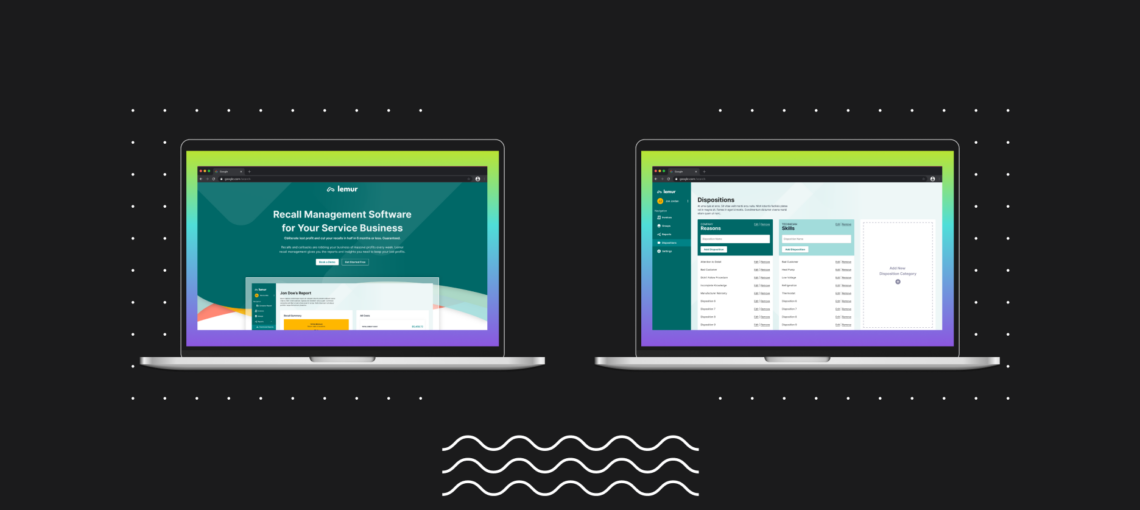

In today’s digital world, having an online presence isn’t a choice, it’s a necessity. But what form should that presence take? Many businesses jump into development assuming they need a website” when their goals actually demand a “portal,” leading to wasted resources and a platform that’s fundamentally misaligned with their objectives.
The choice isn’t just about technology; it’s a strategic decision between two distinct business models: a strategy of broadcasting to a wide, undefined audience, versus a strategy of interacting with a specific, known group of users. One is designed to attract attention; the other is built to facilitate action. Understanding this difference is the key to making the right investment for your business.
What is a Website? Your Digital Storefront
A website is a collection of publicly accessible web pages under a single domain name that serves information to a broad audience. For most companies, it’s the public face of the brand, a digital storefront designed to inform, engage, or sell to anyone who visits.
Think of a website as your digital billboard or public brochure. Its core message is, “Here’s who we are, and here’s what we do”. The content is generally the same for every visitor, and its primary goal is to attract new prospects and build brand awareness.
What is a Web Portal? Your Private VIP Lounge
A web portal is a private, secure, web-based platform that acts as a single point of access to a wide variety of information, tools, and services. Unlike a website, a portal is a gateway for a specific, defined group of users, not the general public.
The single most defining feature of a portal is user authentication. Access almost always requires a login, which enables its core function: providing a personalized, role-based experience to a known user, whether they are a customer, employee, or partner. If a website is a public storefront, a portal is the secure, members-only VIP lounge designed to say, “Welcome back, we’ve been expecting you”.
At a Glance: Key Differences
| Aspect | Website (The Broadcaster) | Web Portal (The Hub) |
|---|---|---|
| Primary Purpose | Inform and attract a broad audience | Provide secure, personalized access for specific users |
| Target Audience | General public, anonymous visitors | Known users: customers, employees, partners |
| User Access | Public, no login required | Login-required and secure |
| Content | General and the same for all visitors | Highly personalized and dynamic |
| Interaction | Mostly one-way (e.g., contact forms) 5 | Highly interactive and two-way (e.g., managing accounts, dashboards) |
When Your Business Needs a Website
A website is the right choice when your primary objectives are centered on growth, market presence, and customer acquisition. It’s an essential tool for:
- Building Brand Awareness: A public website is perfect for Search Engine Optimization (SEO), helping you attract a broad audience through search engines and build brand familiarity.
- Generating Leads: Through compelling calls-to-action, contact forms, and downloadable content, a website works 24/7 to capture the interest of potential customers and feed your sales pipeline.
- Establishing Credibility: A professional website featuring high-quality content like blog posts and case studies positions your business as a trusted authority in its field.
The bottom line: If your main goal is top-of-funnel growth and attracting new customers, a website is your foundational tool.
When Your Business Needs a Portal
A portal is a strategic investment in operational excellence, designed to strengthen existing relationships and streamline internal processes. You need a portal when your goals are to:
- Drive Efficiency and Reduce Costs: By automating routine tasks and enabling self-service, portals reduce the need for manual support. For instance, live support interactions like phone calls cost an average of $8.01 per contact, while self-service interactions cost just $0.10. This is why 63% of businesses with customer portals report a significant reduction in their customer service workload.
- Deepen Relationships: Portals provide a secure, centralized hub for customers, employees, or partners to manage their accounts, track information, and communicate directly with your business, which improves satisfaction and retention.
- Enhance Security: If you handle sensitive data like financial records or personal information, a portal’s required login and role-based access controls are non-negotiable for protecting that data.
The bottom line: If your focus is on serving your existing stakeholders more effectively and improving operational efficiency, a portal is the clear winner.
The Hybrid Approach: Getting the Best of Both Worlds
For many established businesses, the most effective digital strategy isn’t “portal vs. website,” but “portal and website”. The two work together to create a seamless customer journey.
- Discovery (Website): A new prospect discovers your company through an SEO-optimized blog post on your public website.
- Conversion (Website): They make a purchase or sign up, becoming a customer.
- Service & Retention (Portal): They receive login credentials to a secure portal where they can track orders, manage their account, and access exclusive support.
The website excels at attracting new customers, while the portal is essential for serving and retaining them through a superior, personalized experience.
Conclusion: A Strategic Choice, Not a Technical One
Web portal vs. website is a strategic one that should be driven by your core business objectives. A website builds presence, it’s an outward-facing platform designed to attract a public audience. A portal builds process, it’s a secure hub designed to serve your most valued users.
Choosing the right path, especially when considering a complex portal that integrates with core business systems, requires a partner with deep strategic and technical expertise. If your business is ready to build a powerful digital platform that drives efficiency and deepens user loyalty, it is time to engage with experts who can architect a solution tailored to your unique needs.


