

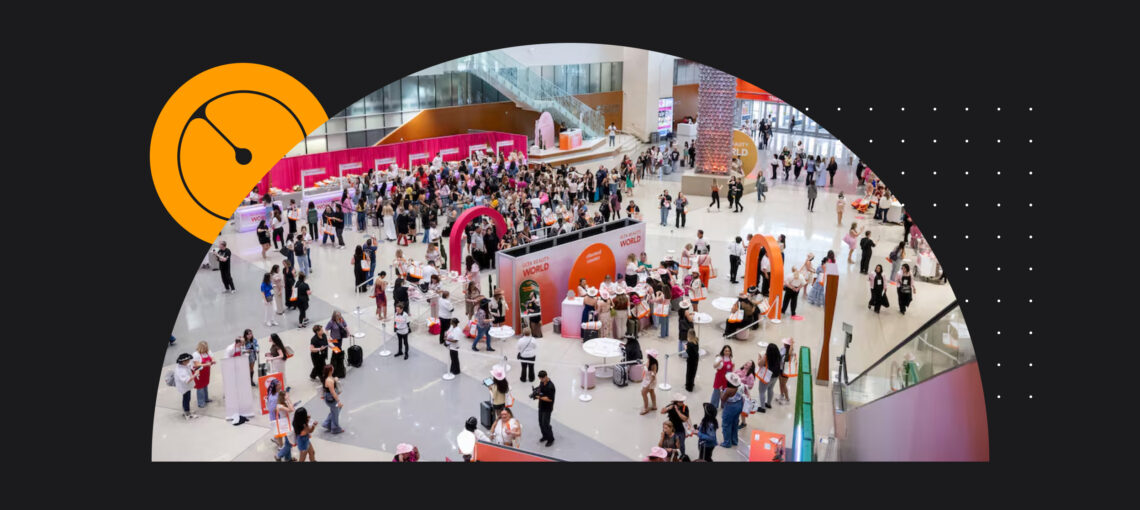

The digital rollout for Ulta Beauty World 2026 was marketed as a celebration of beauty for all, but for the millions trying to secure one of only 3,000 available tickets, the experience felt like a masterclass in exclusionary design and technical frustration. Ulta Beauty World Accessibility failure will cost dividends in reputation.
Visual Hierarchy Nightmare
The ordeal began with a complete lack of visual hierarchy on the landing page; instead of a bold, accessible “Buy Tickets” button, hopeful attendees were forced to hunt for a tiny, low-contrast text string that was nearly invisible to anyone with low vision or even just a fast-moving cursor. This minimalist aesthetic served as an immediate barrier, causing many to waste the first critical minute refreshing a page for a button that didn’t exist, while the link remained hidden under bigger, bolder text.

Purgatory Progress Bar
Once users managed to find the portal, they were met with a “Green Dot” progress bar that became a source of widespread psychological exhaustion. The queue didn’t just move slowly; for the vast majority of people in line, it simply froze for over an hour with no status updates. This lack of real-time transparency meant users remained tethered to their screens, clinging to the hope of a moving dot that was statistically never going to reach the finish line given the massive 3-million-person backlog. Even the lucky few who cleared the queue were often met with a Registration Unavailable error, a technical glitch where the ticketing gate opened but the registration database remained locked, leaving fans in a feedback loop of digital dead ends.

Unknown Ticket Availability
Perhaps the most frustrating element for the community was the total blackout of information regarding ticket availability. While the 3,000 tickets reportedly sold out within the first few minutes, Ulta’s official channels remained silent for over an hour, allowing millions of people to continue waiting in a futile queue. It wasn’t until over an hour after the drop that a formal “Sold Out” statement was issued. This lack of transparency felt like a huge waste of the public’s time, as fans sat through their work mornings or personal commitments for an opportunity that had already vanished, all because the system failed to provide a simple “Inventory Low” or “Sold Out” banner within the queue interface.

Exclusionary Practices around Accessibility
Beyond the technical glitches, the most significant hurdles were the fundamental accessibility failures regarding Caregiver Passes and cognitive access. Unlike mainstream festivals that offer a clear ADA + Companion option during checkout, Ulta’s process required users to first secure their own non-refundable ticket and then contact the company to request a caregiver pass. This created a cruel catch-22 for the disability community: they couldn’t risk buying a ticket without knowing if they’d get a companion pass, but by the time they could ask, the event was sold out. Furthermore, by requiring complex registration forms and emergency contact data before entering the queue, the system inherently penalized those who use screen readers or have cognitive processing differences that require more time to navigate dense fields.

The fallout was compounded by a strict non-refundable and non-transferable policy that acted as a financial penalty for those with unpredictable health needs. When a limited-capacity event prioritizes a first-come, first-served speed test over equitable access, it effectively bars the very community it claims to celebrate.
A Major Blow to Ulta’s Brand Sentiment
The long-term consequences of this botched release extend far beyond a few thousand missed tickets; they represent a significant blow to Ulta’s brand equity. In the weeks following the drop, social media has been flooded with “de-influencing” videos and declarations of brand boycotts, with long-time Diamond members expressing that they feel undervalued compared to the influencers who reportedly received pre-generated invite codes. For a brand whose identity is built on the concept of “All Things Beauty, All in One Place,” the message sent by this event was that beauty is only for those with the fastest internet, the fewest disabilities, and the right social standing. This loss of consumer trust is a high price to pay, especially as competitors move toward more transparent, loyalty-based rewards for high-demand events.
Designing with Accessibility From the Start
In reality, these frustrations could have been easily mitigated with standard user experience (UX) and accessibility practices already utilized by major ticketing platforms. Services like Ticketmaster and AXS, while not perfect, have made strides by allowing users to toggle “Show Accessible Tickets” directly within the interface and offering integrated companion seating in a single transaction. Simple features like a live inventory countdown, a heartbeat status update in the queue, or an early-access lottery for verified loyal customers would have replaced the hunger games atmosphere with a sense of fairness. By prioritizing inclusive design from the start, rather than as an afterthought, Ulta could have turned a logistical challenge into a moment of true community connection.
Ultimately, the Ulta Beauty World accessibility ticket drop proved that true inclusion isn’t just about what happens at the venue; it’s about whether the digital front door is actually open to everyone. If beauty is truly for everyone, the path to get there shouldn’t be an intentional, high-speed obstacle course.
Keep Up to Date with Web Accessibility
By proactively addressing accessibility, you not only comply with legal requirements but also create a more inclusive and user-friendly experience for all visitors to your website.
Ready to make your website accessible? Contact Atlantic BT today to ensure your digital content meets the latest accessibility standards and provides a seamless experience for all users.


