
Every major technology initiative carries inherent risk. Whether you are migrating off a legacy Enterprise Resource Planning (ERP) platform, integrating third-party cloud tools, or rolling out new automation across departments, moving too fast without proper guardrails can trigger system downtime, compliance violations, or costly budget overruns.
At the same time, standing still isn’t safe either. Relying on aging, unsupported software exposes your organization to escalating cybersecurity threats and operational bottlenecks.
Technology risk management resolves this tension. Instead of treating risk as a reason to stall innovation, a proactive risk management strategy identifies vulnerabilities early, quantifies their business impact, and builds practical safeguards into your roadmap—allowing you to modernize with confidence.
Where Hidden Technology Risks Catch Businesses Off Guard
When mature organizations run into trouble during technical initiatives, the disruption rarely comes from a single catastrophic failure. More often, risk accumulates across three interconnected areas:
- Technical and Architectural Fragility: Outdated codebases, single points of failure, unpatched dependencies, and poorly documented API connections can turn a routine software update into an organization-wide outage.
- Operational and Vendor Lock-In Risk: Relying too heavily on a single proprietary SaaS vendor—or launching a complex system without adequate staff training and rollback plans—leaves your daily operations vulnerable to price hikes, service disruptions, or workflow paralysis.
- Data Privacy and Regulatory Compliance: As businesses connect more internal databases to external cloud platforms and artificial intelligence tools, unmonitored data flows can inadvertently expose customer records, financial data, or proprietary intellectual property.
What Comprehensive Technology Risk Management Covers
At Atlantic BT, our risk management consulting embeds practical safeguards directly into your decision-making and engineering lifecycle—covering technical, operational, and compliance dimensions:
1. Pre-Project Risk Assessments and Architecture Audits
Before committing capital to a new software build or vendor contract, we evaluate system compatibility, data security posture, and scalability limits. Identifying architectural weak spots upfront prevents expensive mid-project surprises and keeps risk at a manageable level.
2. Compliance and Data Governance Frameworks
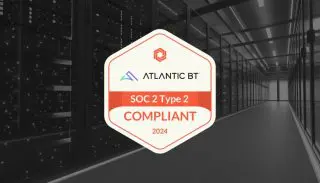
Whether your industry requires strict adherence to SOC 2, HIPAA, GDPR, or internal audit standards, we map how sensitive data moves across your applications. We establish clear access controls, encryption standards, and audit trails so compliance is built into your systems rather than bolted on afterward.
3. Safe AI and Automation Guardrails
Rapidly adopting new technologies without governance is one of the fastest ways to create blind spots. As outlined in our AI consulting strategy roadmap, establishing role-based data permissions, human-in-the-loop review steps, and private model boundaries ensures your team captures efficiency gains without leaking sensitive company information.
4. Business Continuity, Disaster Recovery, and Rollback Planning
We design resilient deployment strategies, automated backup protocols, and clear incident-response playbooks. If an unexpected issue arises during a major migration or third-party outage, your team has a tested recovery path that protects uptime and revenue.
How Risk Management Strengthens Every Technology Initiative
Effective risk management doesn’t slow your business down—it removes the uncertainty that causes projects to stall:
- Higher Executive Confidence: When leadership sees clear mitigation plans alongside realistic cost and timeline estimates, approvals happen faster and stakeholder alignment improves.
- Lower Long-Term Maintenance Costs: Catching security flaws, accessibility gaps, and architectural debt during planning and development costs a fraction of remediating a breach or emergency outage after launch.
- Smoother Execution Across Teams: Clear risk registers and contingency plans give project managers, engineers, and operational leaders a shared playbook from kickoff through post-launch support.
Innovate Safely With a Solution-Agnostic Partner
You shouldn’t have to choose between moving your business forward and protecting what you have already built. With objective risk analysis and pragmatic mitigation strategies, your organization can tackle complex upgrades, software builds, and system integrations on solid footing.
Planning a major system upgrade, software build, or compliance review? Explore our Technology Consulting Services to see how Atlantic BT helps you mitigate risk and drive sustainable growth.